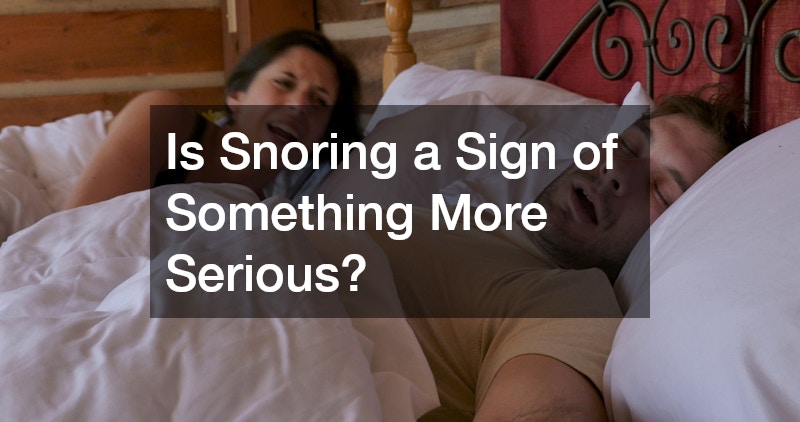
Snoring is often brushed off as a harmless nuisance—something that disrupts sleep but doesn’t raise major health concerns. However, in many cases, persistent or loud snoring can signal an underlying issue that goes beyond simple airway vibration. Understanding when snoring is benign and when it may point to something more serious is essential for protecting both your sleep quality and overall health.
While occasional snoring is common, consistent patterns, especially when paired with other symptoms, deserve closer attention.
What Causes Snoring in the First Place?
Snoring occurs when airflow is partially obstructed as it moves through the upper airway during sleep. This obstruction causes surrounding tissues—such as the soft palate, uvula, and throat walls—to vibrate, producing the familiar sound.
Several factors can contribute to this narrowing of the airway. Sleeping position plays a role, particularly when lying on your back, as gravity can cause the tongue to fall backward. Nasal congestion, alcohol consumption, and excess weight can also increase the likelihood of snoring.
In many cases, these factors are temporary or manageable. However, when snoring becomes chronic or progressively worse, it may indicate a more significant issue with airway function.
When Snoring Becomes a Warning Sign
Not all snoring is created equal. Occasional, quiet snoring without other symptoms is typically not a cause for concern. But certain patterns suggest a deeper problem that shouldn’t be ignored.
Loud, frequent snoring—especially when it occurs every night—can be a red flag. If it’s accompanied by gasping, choking sounds, or pauses in breathing, it may point to a sleep-related breathing disorder.
Daytime symptoms are also important indicators. Excessive fatigue, difficulty concentrating, morning headaches, and irritability can all be linked to disrupted sleep caused by breathing interruptions. These signs often go unnoticed or are attributed to other factors, which is why many people don’t immediately connect them to snoring.
Understanding Obstructive Sleep Apnea
One of the most serious conditions associated with snoring is obstructive sleep apnea (OSA). This disorder occurs when the airway repeatedly collapses during sleep, causing brief interruptions in breathing.
Each pause can last several seconds and may happen dozens—or even hundreds—of times per night. These interruptions prevent the body from reaching deep, restorative stages of sleep, leading to chronic sleep deprivation.
OSA is more than just a sleep issue—it’s a health concern. Untreated sleep apnea has been linked to high blood pressure, heart disease, stroke, and metabolic disorders. Because the symptoms often occur during sleep, many people are unaware they have the condition until a partner notices the signs or a medical evaluation is conducted.
Risk Factors That Increase Concern
Certain factors make it more likely that snoring is tied to a serious condition like sleep apnea. Excess body weight is one of the most significant, as additional tissue around the neck can contribute to airway obstruction.
Age also plays a role, with snoring and sleep apnea becoming more common over time. Men are generally at higher risk, though the likelihood for women increases after menopause.
Other contributing factors include a naturally narrow airway, enlarged tonsils, smoking, and chronic nasal congestion. While having one or more of these risk factors doesn’t guarantee a serious issue, it does increase the importance of monitoring symptoms closely.
Why Ignoring Snoring Can Be Risky
Many people delay addressing snoring because it seems like a minor inconvenience rather than a health issue. However, when snoring is linked to disrupted breathing, the long-term effects can be significant.
Poor sleep quality affects nearly every aspect of daily life, from cognitive performance to mood and energy levels. Over time, repeated oxygen deprivation during sleep can place strain on the cardiovascular system and increase the risk of chronic conditions.
Even in cases where snoring isn’t tied to sleep apnea, it can still impact relationships and overall well-being. Addressing the root cause can lead to better sleep for both the individual and their household.
When to Seek Professional Evaluation
If snoring is loud, frequent, or accompanied by other symptoms, it’s worth seeking a professional evaluation. Sleep studies are commonly used to diagnose conditions like obstructive sleep apnea and assess the severity of the issue.
These studies can be conducted in a clinical setting or, in some cases, at home using portable monitoring devices. The goal is to measure breathing patterns, oxygen levels, and sleep stages to identify any abnormalities.
Early diagnosis allows for more effective treatment and helps prevent complications associated with untreated sleep disorders.
Treatment Options and Management
The appropriate treatment for snoring depends on its underlying cause. For mild cases, lifestyle changes may be enough to reduce symptoms. Losing weight, changing sleep positions, and limiting alcohol intake before bed can all improve airflow.
For more serious conditions like sleep apnea, medical intervention is often necessary. Continuous Positive Airway Pressure (CPAP) therapy is one of the most common and effective treatments. These devices deliver a steady stream of air to keep the airway open during sleep.
Access to reliable CPAP services can make a significant difference in both comfort and compliance. Proper fitting, ongoing support, and equipment maintenance all play a role in ensuring the therapy is effective over the long term.
Other treatment options may include oral appliances, which reposition the jaw to improve airflow, or surgical procedures in cases where structural issues are present.
Snoring may seem harmless on the surface, but it can sometimes signal a more serious underlying condition. The key is recognizing when it’s simply a minor annoyance and when it warrants further investigation.
By paying attention to patterns, associated symptoms, and risk factors, you can take a more proactive approach to your sleep health. If concerns arise, seeking professional guidance can provide clarity and help you access the right treatment.
Better sleep isn’t just about comfort—it’s an essential component of overall health. Addressing snoring early can lead to improved energy, reduced health risks, and a higher quality of life.