Stress feels like a normal part of modern life, so it is easy to brush off the tight shoulders, racing thoughts, and restless nights as just another Tuesday. But when stress hormones stay elevated week after week, they quietly reshape how your heart, skin, hair, and brain function. Understanding what chronic stress actually does inside your body is the first step toward catching the damage early and reversing it before it becomes permanent. This article breaks down the real, physical cost of untreated stress and what you can do about each one.
How Chronic Stress Disrupts Your Hormones

When stress becomes constant, your adrenal glands keep pumping out cortisol long after the original trigger has passed. Under normal circumstances, cortisol follows a predictable daily rhythm, spiking in the morning to help you wake up and gradually tapering off by night. Chronic stress flattens and disrupts this curve, keeping cortisol elevated at the wrong times and blunting it when your body actually needs it, which throws off sleep, appetite, and energy in ways that feel random but aren’t.
Over time this steady drip throws off the delicate balance between cortisol, thyroid hormones, estrogen, and testosterone, leaving many people feeling exhausted, foggy, and irritable for no obvious reason. Persistently high cortisol can suppress thyroid function by interfering with the conversion of T4 into usable T3, which slows metabolism and contributes to weight gain, cold intolerance, and sluggish thinking. Because your body treats sex hormone production as a lower priority during periods of perceived threat, it also diverts the shared hormonal building block pregnenolone toward cortisol production instead, a shift often called “pregnenolone steal.”
Women often notice irregular cycles or worsening perimenopausal symptoms, since cortisol interference with progesterone and estrogen can intensify hot flashes, mood swings, and sleep disruption. Men may experience low energy and reduced muscle recovery, as chronically elevated cortisol suppresses testosterone production and slows tissue repair after exercise or injury. Some people also develop insulin resistance as a side effect of prolonged cortisol exposure, since cortisol raises blood sugar to fuel the stress response, which over months or years can nudge blood glucose levels toward prediabetic ranges even without major dietary changes.
Because these shifts happen gradually, many people do not connect their symptoms back to stress at all. Weight gain around the midsection, irregular cycles, low libido, and unexplained fatigue often get treated as isolated issues rather than signs of a deeper hormonal pattern rooted in chronic stress.
A simple blood panel can reveal whether cortisol, thyroid hormones, or sex hormones like testosterone and estrogen have drifted out of range. Doctors typically look at cortisol levels at different times of day, since a healthy pattern should peak in the morning and taper off by evening, and a flattened or reversed curve can point to prolonged stress exposure.
For some people, hormone replacement therapy becomes a reasonable option to restore balance once levels are confirmed through testing rather than guessed at. This might mean supplementing estrogen or progesterone during perimenopause, addressing low testosterone in men, or correcting a thyroid imbalance that stress has aggravated over time. The right approach depends heavily on age, sex, symptom severity, and other health conditions, which is why testing should always come before treatment.
Addressing the underlying stress alongside any hormonal support gives the body a better chance at long-term stability rather than a temporary fix. Without tackling the root cause, hormone levels often drift back out of range once treatment stops, leaving the same symptoms to resurface months later.
The Toll Stress Takes on Your Mental Wellbeing
Stress and mood are deeply intertwined, and when cortisol stays elevated, it can interfere with serotonin and dopamine production in the brain. This is part of why prolonged stress so often shows up as anxiety, irritability, or a flat, joyless mood rather than staying purely physical. Left unaddressed, these emotional symptoms tend to compound, making it harder to sleep, focus, or maintain relationships.
Recognizing when stress has crossed into something bigger is important, because at that point lifestyle changes alone may not be enough. Seeking mental health treatment from a licensed therapist or counselor can help identify thought patterns and coping tools that reduce the emotional load stress creates. Therapy paired with practical stress management often produces better results than either approach alone.
Why Stress Triggers More Frequent Headaches
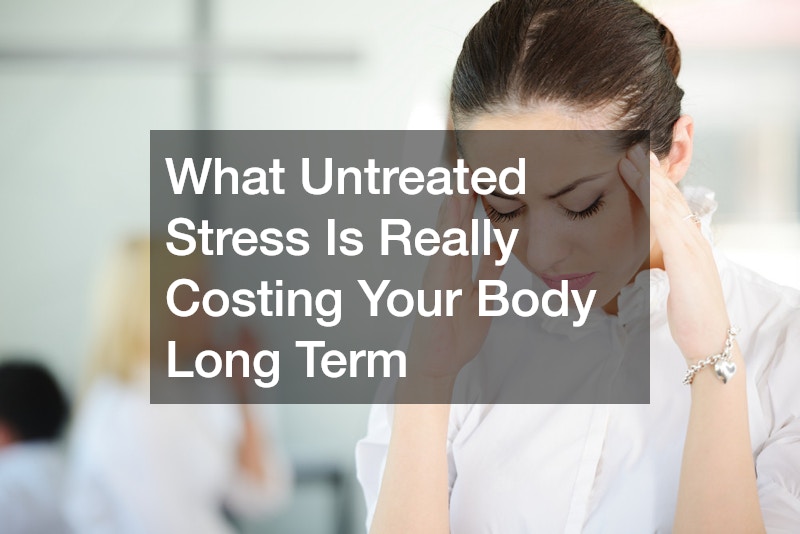
Muscle tension in the neck and shoulders, combined with disrupted sleep and dehydration, makes stress one of the most common headache triggers around. When you’re stressed, your muscles instinctively tighten as part of the body’s fight-or-flight response, and that tension often settles into the neck, jaw, and scalp, pulling on surrounding tissue and setting the stage for pain.
For some people this shows up as a dull tension headache, the kind that feels like a tight band squeezing around the head. These can strike daily when stress is chronic, sometimes lasting anywhere from 30 minutes to several days.
For others, stress escalates things into something far more disruptive: a full-blown migraine. Studies suggest that stress is a trigger in up to 70% of migraine cases, often bringing nausea, light sensitivity, and hours of lost productivity. And because poor sleep and dehydration frequently ride alongside stress, the two combine to make headaches strike more often and hit harder than they would from stress alone.
- Tight neck and jaw muscles from clenching or hunching over a desk, often triggering tension headaches that feel like a band tightening around the skull
- Poor sleep quality reducing the brain’s ability to regulate pain signals, since deep sleep is when the body resets pain-processing chemicals like serotonin
- Skipped meals and dehydration that compound tension headaches by dropping blood sugar and blood volume, both of which strain circulation to the brain
- Bright light and screen glare intensifying existing head pain, especially for those prone to migraines triggered by flickering or high-contrast screens
- Caffeine withdrawal from irregular intake, which narrows and then rebounds blood vessels, adding another layer of head pain on top of stress
Chronic stress keeps your muscles tense and your blood vessels in a near-constant state of fluctuation, both of which are well-documented headache triggers. Cortisol surges can also disrupt sleep and deplete magnesium, two factors closely tied to headache frequency. Over time, what starts as an occasional tension headache can shift into a pattern that looks and feels a lot more like migraine.
If headaches are becoming frequent, severe, or accompanied by nausea and light sensitivity, it may be worth exploring local migraine treatment options rather than relying on over-the-counter pain relievers indefinitely. Reaching for ibuprofen or acetaminophen more than two or three times a week can actually backfire, leading to rebound headaches that are harder to treat than the original problem.
A specialist can help identify specific triggers and offer treatments tailored to migraine physiology rather than generic pain management. This might include prescription medications that regulate blood vessel activity, Botox injections for chronic migraine, or biofeedback therapy aimed at reducing stress-related muscle tension.
Keeping a simple headache journal — noting frequency, duration, and possible triggers like poor sleep or skipped meals — can also give your provider valuable data to work with. Catching the pattern early often makes treatment more effective and prevents the cycle from becoming entrenched.
The Link Between Stress and Cardiovascular Strain
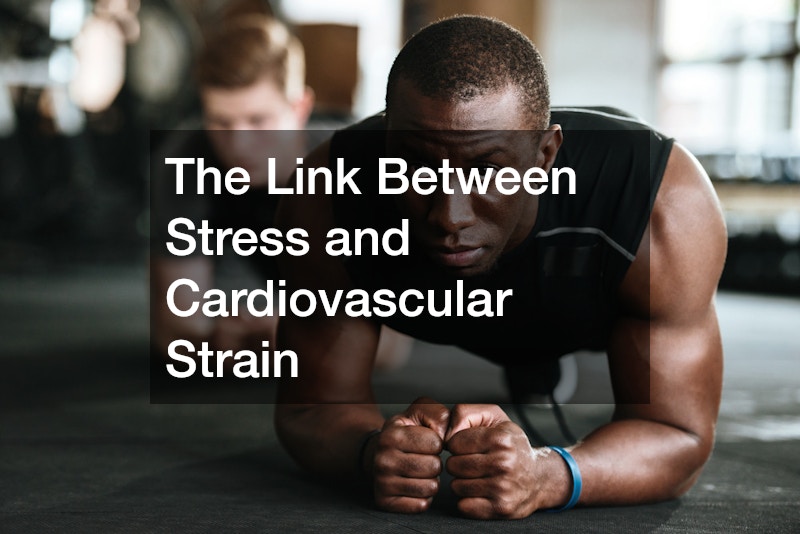
Every time you feel stressed, your heart rate and blood pressure spike as part of the body’s fight-or-flight response. When this happens occasionally, it is harmless, but when it happens daily for months or years, it puts sustained pressure on your arteries and heart muscle. Over time, this contributes to a higher risk of high blood pressure, plaque buildup, and even heart attack or stroke.
The good news is that cardiovascular strain from stress is highly responsive to lifestyle change. Regular movement lowers resting heart rate and blood pressure over time, and building a consistent exercise habit is one of the most effective ways to protect your heart. Many people find that working with a personal trainer helps them build a sustainable routine safely, especially if stress has left them out of shape or unsure where to start.
How Stress Accelerates Visible Skin Aging
Cortisol breaks down collagen and elastin faster than normal, which means chronically stressed skin tends to show fine lines, dullness, and sagging earlier than it otherwise would. Elevated cortisol also slows skin cell turnover and impairs the skin’s ability to retain moisture, leaving it looking rougher and more tired even when sleep and diet haven’t changed. Over months and years, this accelerated breakdown can visibly age skin well beyond what genetics or sun exposure alone would predict.
Stress also worsens inflammatory skin conditions like acne, eczema, and rosacea by increasing oil production and disrupting the skin barrier. Higher cortisol levels trigger the sebaceous glands to produce more oil, which clogs pores and feeds the bacteria behind breakouts. At the same time, stress weakens the barrier that keeps moisture in and irritants out, making conditions like eczema and rosacea flare more easily and take longer to calm down.
Many people notice breakouts or flare-ups showing up during particularly demanding weeks at work, before a big presentation, or during major life transitions like moving or planning a wedding. This pattern isn’t coincidence — studies have found that students’ acne severity reliably worsens during exam periods compared to lower-stress times in the semester. Recognizing this link matters because treating the skin topically without addressing the underlying stress often leads to recurring, hard-to-resolve flare-ups.
Chronic stress doesn’t just affect mood and energy — it also trains facial muscles into repeated patterns of tension. Constant furrowing, jaw clenching, and squinting gradually etch themselves into the skin as fine lines and expression wrinkles, particularly around the forehead, brows, and eyes. Over months and years, these repetitive movements can deepen creases faster than natural aging alone would.
While skincare products can help manage surface symptoms like dullness or dehydration, they generally can’t relax the underlying muscle contractions driving these deeper lines. Once fine lines and expression wrinkles become more pronounced, many people start looking for more targeted solutions that work below the surface. This is often the point where cosmetic interventions enter the conversation.
Local botox treatments have become a common option for smoothing forehead lines and crow’s feet that stress-related tension tends to deepen over time. By temporarily limiting the movement of specific facial muscles, these treatments can soften existing creases and slow the formation of new ones, with results typically lasting three to four months before a follow-up session is needed.
Combining this approach with stress reduction habits — such as mindfulness practice, regular exercise, or better sleep hygiene — addresses both the cause and the visible effect rather than just masking one symptom. Treating the muscle tension without managing the underlying stress response often means the same lines resurface just as quickly once the treatment wears off.
The Effect of Stress on Cellular Recovery and Aging
Beyond the surface, chronic stress affects how efficiently your cells repair themselves at a molecular level. Elevated cortisol has been linked to shortened telomeres, the protective caps on your DNA that shrink as cells age, which means chronic stress may accelerate biological aging beyond what your birth certificate suggests. This can show up as slower recovery from illness, injury, or intense exercise.
Some people explore newer options to support cellular repair and recovery alongside stress management, and peptide therapy has gained attention for its potential to support tissue repair, recovery, and metabolic function. It is not a replacement for addressing the root cause of stress, but for some people it serves as a complementary piece of a broader recovery plan discussed with a qualified provider. Anyone considering it should look into the research and speak with a medical professional before starting.
Why Chronic Stress Leaves You Dehydrated and Depleted
Stress increases the body’s demand for key nutrients and fluids while simultaneously making it harder to keep up with them, since appetite and thirst cues often get disrupted during high-stress periods. This creates a cycle where the body is under more physical demand but receiving fewer of the resources it needs to cope. Fatigue, headaches, and brain fog are common results of this nutrient and fluid depletion.
Rehydrating and replenishing depleted electrolytes and vitamins can make a noticeable difference in how quickly someone bounces back from a stressful stretch. This is part of why IV therapy services have grown popular among people looking for a faster way to restore hydration and nutrient levels than food and water alone can provide. While not a cure for stress itself, it can support faster physical recovery while other root causes are being addressed.
How Stress Shows Up in Hair Thinning and Loss
Significant or prolonged stress can push hair follicles into a resting phase prematurely, a condition known as telogen effluvium, which often leads to noticeable shedding a few months after a stressful event. Unlike genetic hair loss, this type is often temporary and improves once stress levels come down and the body’s systems stabilize. However, for people dealing with ongoing thinning or bald patches, waiting it out is not always realistic or desirable.
For those whose hair loss has progressed further or become a long-term concern, cosmetic solutions can restore confidence while the underlying causes are managed. Researching the best scalp micropigmentation providers is a common step for people looking for a non-surgical way to create the appearance of a fuller hairline. It is worth pairing this kind of solution with efforts to reduce ongoing stress, since unmanaged stress can continue affecting hair health over time.
Small Rituals That Help the Body Reset
Not every response to stress needs to be clinical or corrective. Sometimes small acts of self-care play a meaningful role in signaling safety to the nervous system, telling the body it’s no longer in danger and can shift out of high-alert mode.
Grooming rituals are a good example. Washing your face, brushing your hair, or applying lotion might seem like minor habits, but the repetitive, predictable motions involved can be genuinely calming and give the mind something steady to focus on.
Quiet moments matter too. Even five to ten minutes of sitting without a phone or screen, breathing slowly, or simply staring out a window can lower cortisol levels enough to notice a difference in mood afterward.
Simple routines built into the day, like a consistent morning coffee ritual, a short walk after dinner, or stretching before bed, give the body reliable cues that it’s safe to relax. Over time, these small, repeated signals can add up, helping to counterbalance the near-constant activation that untreated stress tends to create.
- Scheduling regular manicures or other small self-care appointments as a low-pressure, guilt-free way to build in downtime
- Taking short walks outside without a phone, even just 10-15 minutes, to break up mental tension and reset focus
- Practicing five to ten minutes of deep breathing before bed, such as slow 4-7-8 breaths, to calm the nervous system
- Setting a consistent wind-down routine — dimming lights, avoiding screens, or reading a few pages — to protect sleep quality
- Stacking these rituals onto existing habits, like breathing exercises right after brushing teeth, to make them easier to stick with
These small rituals will not undo months of chronic stress on their own, but they add up when combined with bigger changes like therapy, movement, and better sleep hygiene. A few minutes of deep breathing or a short walk outside will not lower cortisol that took a year to build up, but consistency compounds the same way stress itself does.
Think of it in terms of dosage: five minutes of box breathing done twice a day tends to do more for your nervous system over a month than one heroic hour-long meditation session done once and abandoned. The goal is frequency, not intensity, since the body responds to repeated small signals of safety more reliably than occasional grand gestures.
It also helps to anchor these rituals to something you already do, like stretching while the coffee brews or doing a body scan right before brushing your teeth. This kind of habit stacking removes the mental friction of having to remember a new practice and makes it more likely to survive busy or bad days.
Treating self-care as maintenance rather than an indulgence helps make it a sustainable habit rather than something squeezed in only during a crisis. Just as you would not wait for a car to break down to change the oil, the nervous system does better with regular, unremarkable upkeep than with occasional emergency intervention.
Building Better Skin Habits for the Long Term
Since stress and skin health are so closely connected, learning proper skincare fundamentals can help reduce some of the visible damage stress causes over time. Many people apply products inconsistently or choose items that are not suited to their skin type, which can worsen stress-related breakouts and irritation rather than help them.
For those who want a deeper understanding of how to care for their skin correctly, enrolling in a skin care course can teach the fundamentals of building an effective routine, understanding ingredients, and recognizing when a concern needs professional attention. This kind of foundational knowledge pairs well with professional treatments, since a good home routine extends and protects the results of any in-office procedure. Investing time in learning this now can prevent years of trial and error with the wrong products.
Untreated stress does not stay contained to your mood; it works its way into your hormones, heart, skin, hair, and cells over time. The good news is that every one of these effects can be addressed, whether through lifestyle changes, professional support, or a combination of both. Start by identifying which area of your health has been most affected, and take one concrete step this week toward addressing it rather than waiting for the damage to become harder to reverse.